Get Tree Cabling Service
Tree cabling services help property owners stabilize and support trees, preventing damage from storms, weak branches, or structural issues through professional installation and maintenance.
Tree cabling services are an important consideration for property owners seeking to maintain the health and safety of their trees. Proper planning and installation can help prevent potential hazards caused by weak or damaged branches, especially in areas prone to storms or high winds. Exploring options with experienced local contractors ensures that the work is tailored to the specific needs of the trees and landscape, providing peace of mind for those looking to protect their property and surroundings.
Property owners in the area often turn to tree cabling to support mature or vulnerable trees, improve their structural integrity, and prolong their lifespan. Comparing local service providers allows for informed decisions based on expertise and reputation, ensuring that the project is handled with care and precision. Continuing to explore available options can help identify the best solutions for maintaining a safe and healthy outdoor environment.
- Tree Cabling - when trees require additional support to prevent branch or trunk failure during storms.
- Tree Bracing - in situations where internal structural reinforcement is needed to stabilize weak or damaged limbs.
- Tree Support Systems - for trees that need ongoing stabilization to promote healthy growth and reduce risk.
- Tree Cabling Inspection - when assessing the condition of existing cabling systems or planning for future support needs.
- Tree Cabling Installation - for new or mature trees that require professional cabling to manage heavy or unstable branches.
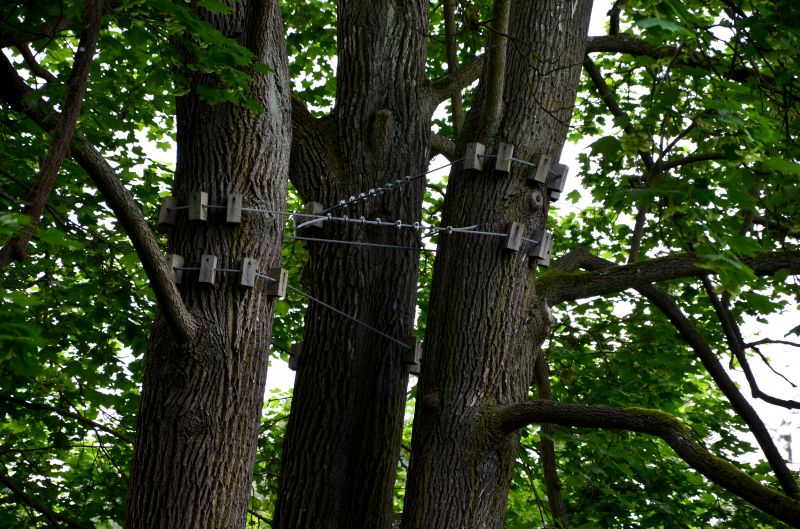
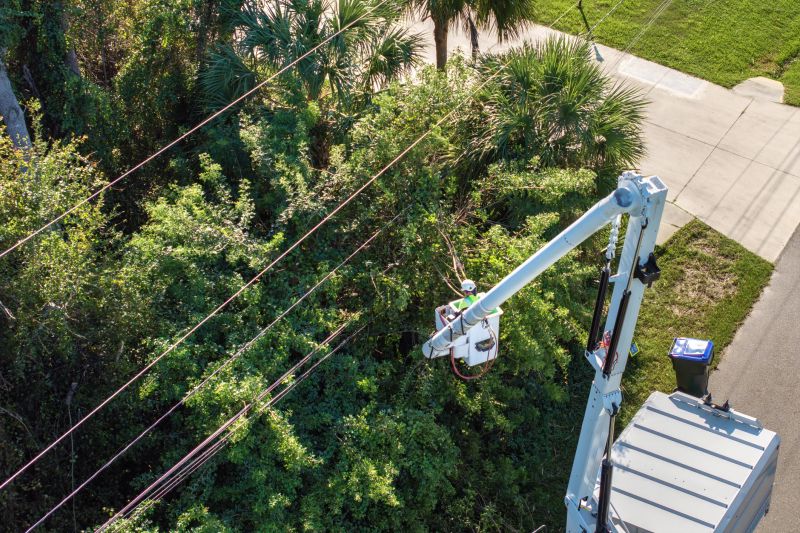
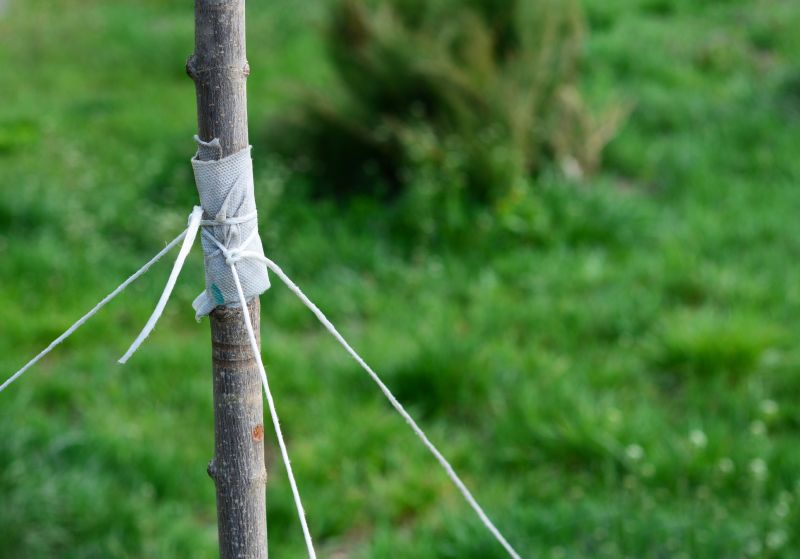
Tree cabling services involve installing supportive cables and hardware to help stabilize and reinforce trees that may be at risk of damage or failure. This process typically includes assessing the tree’s structure, selecting appropriate cable systems, and carefully installing support lines to reduce stress on weak branches or trunk areas. The goal is to prevent branch breakage during storms or high winds and to extend the overall health and safety of mature or problematic trees. Professional contractors use specialized equipment and techniques to ensure the cables are securely installed without harming the tree’s natural growth.
This service is especially useful for addressing problems such as heavy or unstable branches, cracks in the trunk, or trees with a history of limb failure. It helps mitigate the risk of falling limbs that could cause property damage or injury to people nearby. Tree cabling can also be a preventative measure for trees that are growing in challenging conditions or have structural weaknesses due to age or storm damage. By installing support systems, property owners can maintain the safety and appearance of their trees while avoiding costly removals or repairs.
Properties that typically utilize tree cabling services include residential homes with mature trees near driveways, walkways, or structures, as well as commercial properties with landscaped grounds that require safety assurance. Parks, golf courses, and institutional campuses also often rely on this service to preserve their trees and ensure public safety. Any property with valuable or prominent trees that show signs of structural issues may benefit from professional cabling to help prolong the life of the trees and reduce the risk of accidents caused by falling branches.
Homeowners and property managers who notice signs of structural weakness in their trees-such as hanging or cracked branches, leaning trunks, or previous storm damage-should consider consulting with local service providers. Tree cabling is a practical solution for maintaining the stability of mature or compromised trees, especially in areas prone to strong winds or storms. Connecting with experienced contractors can help determine if cabling is appropriate and ensure that the work is performed safely and effectively, supporting the long-term health and safety of the trees and the property.
The overview below groups typical Tree Cabling Service projects into broad ranges so you can see how smaller, mid-sized, and larger jobs often compare in your area.
In many markets, a large share of routine jobs stays in the lower and middle ranges, while only a smaller percentage of projects moves into the highest bands when the work is more complex or site conditions are harder than average.
Small Tree Repairs - minor cabling work for individual branches or small trees typically costs between $250 and $600. Many routine jobs fall within this range, especially for maintenance or minor support. Larger, more complex projects can exceed this range but are less common.
Standard Tree Cabling - mid-sized projects involving multiple trees or larger trees generally range from $600 to $1,500. These are common for property owners seeking to improve tree stability and safety with local contractors handling the work.
Large Tree Support Systems - extensive cabling for mature or high-value trees can cost between $1,500 and $3,000. These jobs are less frequent but necessary for significant structural support or preservation efforts.
Full Tree Replacement or Major Reinforcement - complex or large-scale projects, such as complete tree replacement or extensive cabling systems, can reach $5,000 or more. Such projects are less typical and involve detailed planning by experienced service providers.
Actual totals will depend on details like access to the work area, the scope of the project, and the materials selected, so use these as general starting points rather than exact figures.
Tree Pruning and Trimming - professionals use similar planning and tools to maintain the health and structure of trees, ensuring proper spacing for cabling systems.
Utility Line Installation - involves planning and installing overhead or underground lines, requiring careful coordination and the use of specialized equipment similar to cabling projects.
Storm Damage Tree Removal - requires assessment, planning, and the use of safety tools to remove damaged trees, paralleling the safety considerations in cabling services.
Landscape Lighting Installation - involves planning and installing outdoor wiring systems, which shares skills in planning, wiring, and safety with tree cabling projects.
Support System Installation for Large Structures - includes installing support cables or braces for structures, similar in planning and tension management to tree cabling.
Tree Health Assessments - involves evaluating tree stability and health, which complements the planning phase of cabling to prevent future hazards.
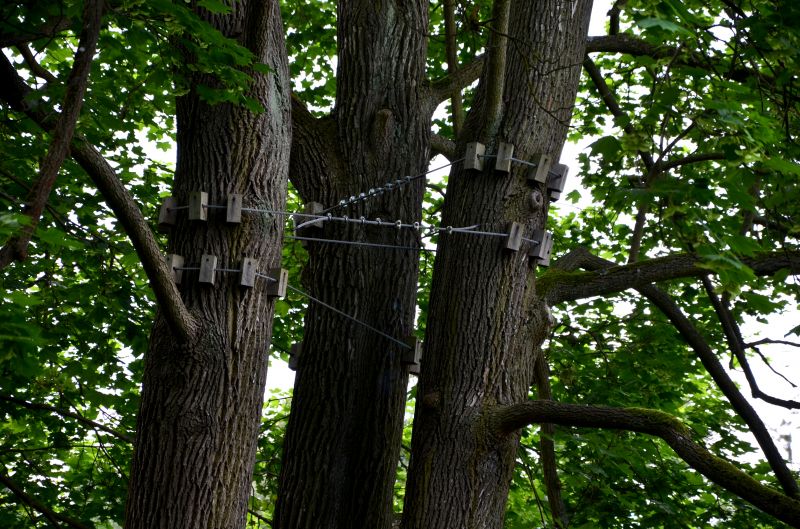
When comparing service providers for tree cabling, it’s important to consider their experience with similar projects. Homeowners should look for local contractors who have a proven track record of handling tree cabling services, especially with trees of comparable size and species. An experienced professional is more likely to understand the nuances involved in properly supporting and protecting trees, which can help ensure the longevity and health of the trees while maintaining safety standards. Asking about previous work or seeking references can provide insight into their familiarity with the specific challenges that might arise during a project.
Clear written expectations are essential when selecting a tree cabling service provider. Homeowners should ensure that the scope of work, materials used, and any relevant details are outlined in a written estimate or proposal. This helps prevent misunderstandings and provides a basis for evaluating the professionalism of the service provider. Reputable local contractors will typically be transparent about their process and provide detailed information that allows homeowners to make an informed decision. It’s beneficial to review these documents carefully and ask questions to clarify any uncertainties before proceeding.
Effective communication and reputable references are key indicators of a trustworthy tree cabling service provider. Homeowners should seek out local contractors who are responsive to inquiries and willing to discuss their approach in plain language. Additionally, asking for references or reviews from past clients can help gauge the quality of work and customer satisfaction. Good communication ensures that expectations are aligned from the outset and that any concerns or changes can be addressed promptly. Remember, the site introduces homeowners to local options that can handle the work, but it is the responsibility of the homeowner to evaluate each service provider’s experience, clarity, and reputation to find the best fit for the project.
Property owners use Tree Cabling Service services for practical projects around their homes and businesses. This guide focuses on everyday jobs and straightforward project options.
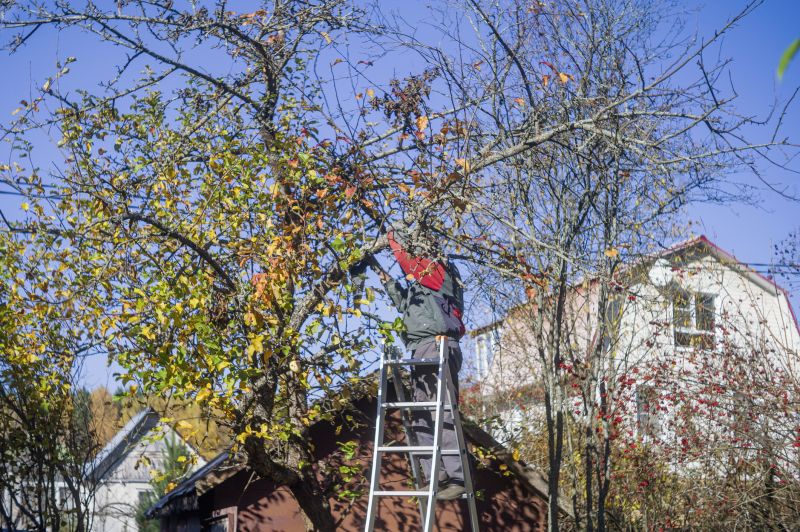
Tree cabling services are commonly needed when property owners notice a tree's branches becoming heavy or uneven, which can pose a risk of falling or damage during storms. Local contractors can install support systems to help stabilize these trees, reducing the chance of limbs breaking off unexpectedly. Additionally, property owners may seek cabling to preserve valuable or historic trees, ensuring they remain healthy and safe for years to come, especially in areas prone to strong winds or unpredictable weather.
In everyday situations, trees that have multiple branches growing in different directions or show signs of stress might benefit from cabling to prevent future issues. Local service providers can assess the condition of trees and recommend appropriate support solutions to maintain their structure and safety. This type of work is often part of routine tree maintenance or storm preparedness efforts, helping property owners protect their landscape and prevent potential property damage.
What is tree cabling service? Tree cabling service involves installing supportive cables and hardware to help stabilize and protect trees that have structural issues or are at risk of damage.
When should tree cabling be considered? Tree cabling is typically recommended for trees with weak branches, cracks, or other structural concerns to prevent potential limb failure or damage.
What types of trees can benefit from cabling? A variety of trees, including mature, large, or ornamental trees with structural weaknesses, can benefit from cabling services provided by local contractors.
How do local service providers determine the need for cabling? They assess the tree’s structure, identify weak points, and evaluate risk factors to recommend appropriate cabling solutions.
What are common materials used in tree cabling? The most common materials include steel cables, hardware like anchors and braces, and protective wraps to ensure durability and safety.
Tree Support and Stability - Tree cabling services help reinforce weak branches and trunks, reducing the risk of limb failure during storms or high winds.
Preventing Property Damage - Proper cabling can protect structures, driveways, and walkways from falling branches or trees.
Preserving Mature Trees - Tree cabling allows property owners to maintain valuable, mature trees that might otherwise need removal.
Enhancing Tree Longevity - Local contractors can install cabling systems that support healthy growth and extend the lifespan of trees on the property.
If you are thinking about Tree Cabling Service for a property, this guide is meant to help you understand the work, the typical project types, and how different options might fit your plans.
When you are ready, you can use the quote form on this page to share a few details about your project. From there, local pros can review the basics and respond with options that match what you have in mind.