Ground Cover Planting in Honolulu, HI
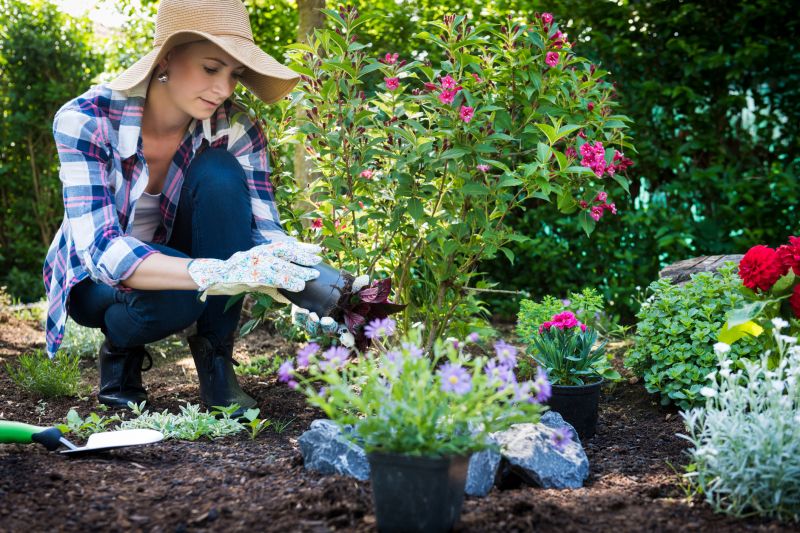
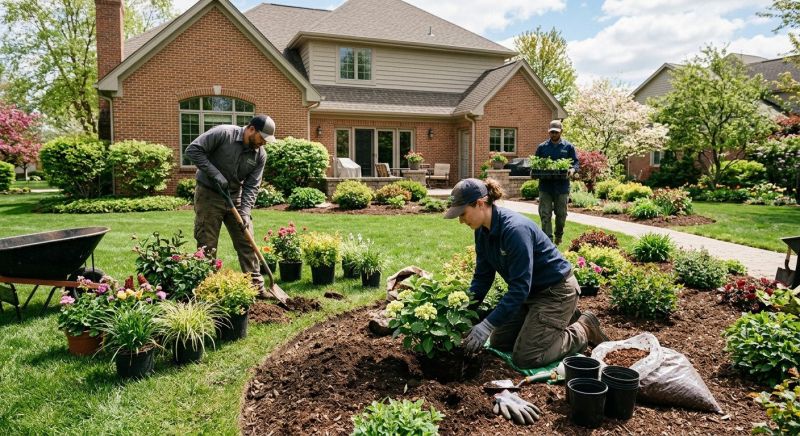
Ground cover planting services involve selecting and installing low-growing plants that spread across the soil, helping to create a lush, uniform appearance while reducing soil erosion and weed growth. These services are often used in landscaping projects such as front yards, garden beds, pathways, and slopes, providing an attractive and functional ground layer. Property owners typically seek guidance on suitable plant options for their specific climate and soil conditions, as well as advice on maintenance needs and how the chosen ground cover will complement existing landscape features.
Before requesting ground cover planting, homeowners usually want to understand the types of plants that thrive in their area, including considerations for sun exposure, moisture levels, and foot traffic. It’s also helpful to consider the long-term appearance and care requirements, as some ground covers may need regular trimming or watering. Clarifying the scope of the project-such as the size of the area, the desired aesthetic, and any existing landscaping-is essential for planning a successful installation that enhances the property’s overall landscape.
Many property owners in Honolulu, HI look into Ground Cover Planting for repairs, replacements, upgrades, and appearance-related improvements.
Ground Cover Planting Options
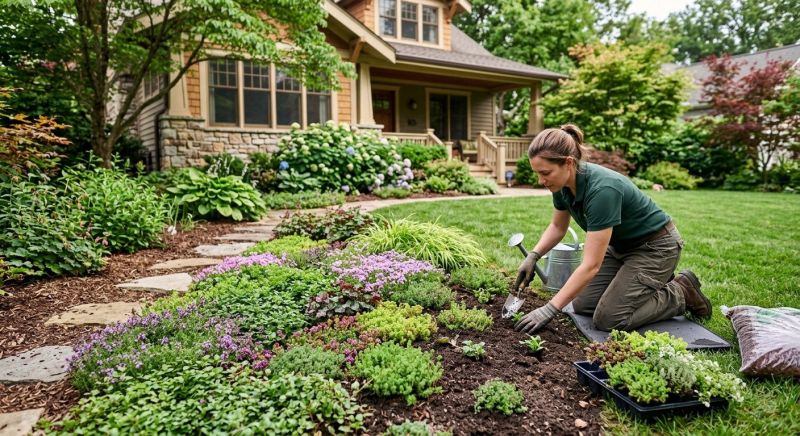
Selecting the right ground cover can enhance the appearance and functionality of outdoor spaces.
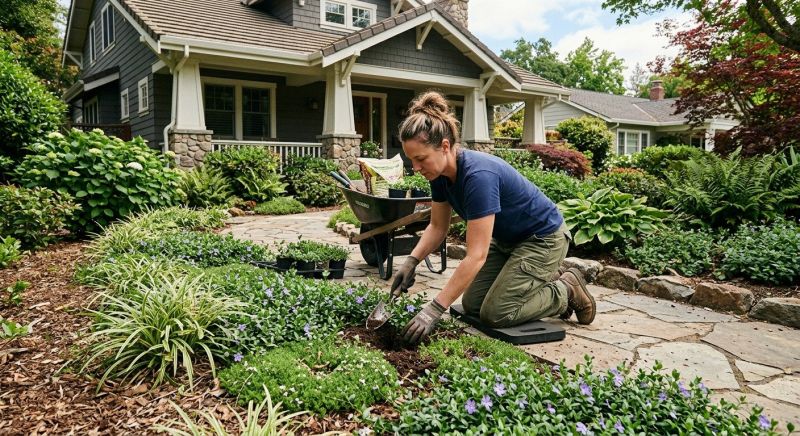
Benefits Of Ground Cover Plants
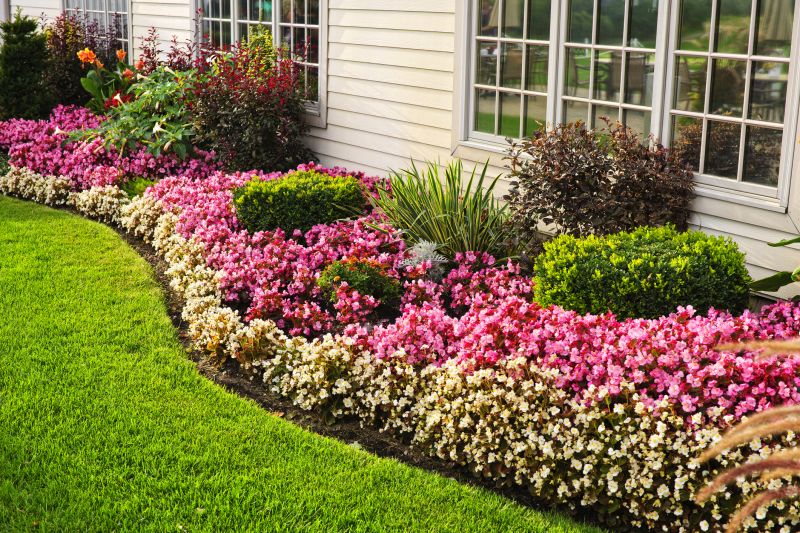
Ground cover plants help reduce erosion, suppress weeds, and add visual interest to gardens and lawns.
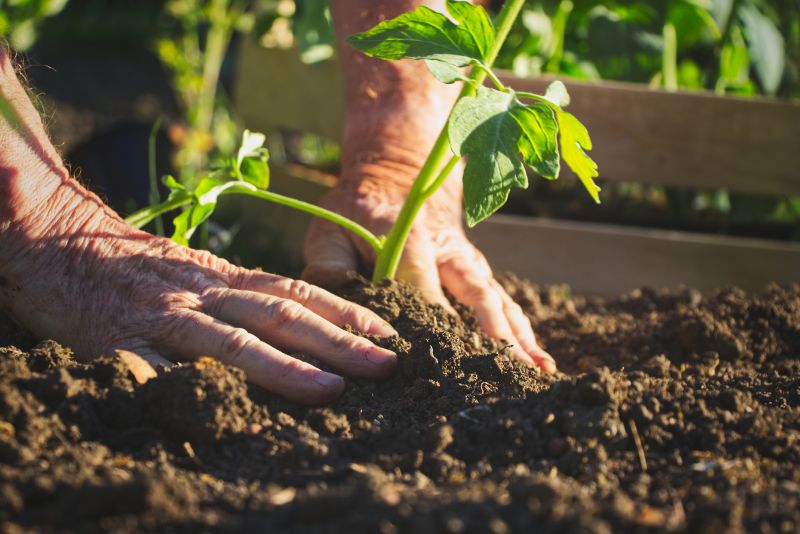
Design Ideas For Honolulu Gardens
Incorporating ground cover planting can create low-maintenance, attractive landscapes suited to the local climate.
Ground Cover Planting in Honolulu, HI
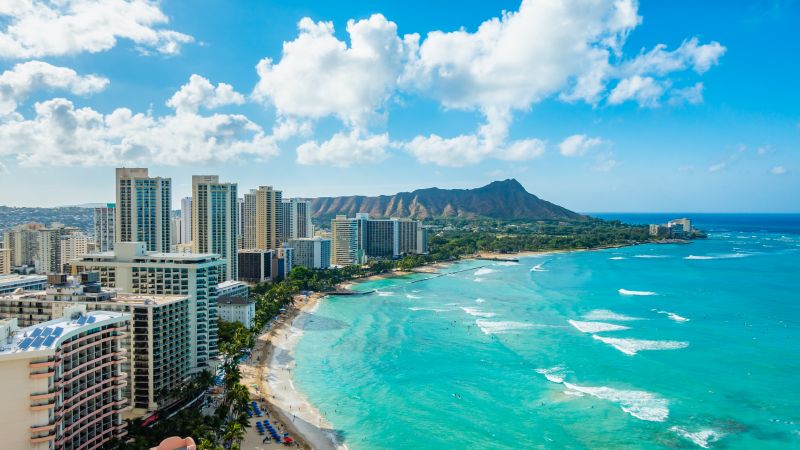
Ground cover planting services involve selecting and installing low-growing plants that spread across the soil, helping to create a lush, uniform appearance while reducing soil erosion and weed growth. These services are often used in landscaping projects such as front yards, garden beds, pathways, and slopes, providing an attractive and functional ground layer. Property owners typically seek guidance on suitable plant options for their specific climate and soil conditions, as well as advice on maintenance needs and how the chosen ground cover will complement existing landscape features.
Before requesting ground cover planting, homeowners usually want to understand the types of plants that thrive in their area, including considerations for sun exposure, moisture levels, and foot traffic. It’s also helpful to consider the long-term appearance and care requirements, as some ground covers may need regular trimming or watering. Clarifying the scope of the project-such as the size of the area, the desired aesthetic, and any existing landscaping-is essential for planning a successful installation that enhances the property’s overall landscape.
Many property owners in Honolulu, HI look into Ground Cover Planting for repairs, replacements, upgrades, and appearance-related improvements.
Common Ground Cover Planting Jobs
Ground Cover Planting Services - suitable for establishing low-maintenance, attractive ground layers.
Landscape Ground Cover - ideal for controlling erosion and reducing weed growth.
Native Ground Cover Plants - recommended for blending seamlessly with local garden environments.
Shade-Tolerant Ground Cover - effective for areas with limited sunlight and tree shade.
Drought-Resistant Ground Cover - perfect for conserving water and minimizing irrigation needs.
Erosion Control Ground Cover - helps stabilize slopes and prevent soil runoff on property landscapes.
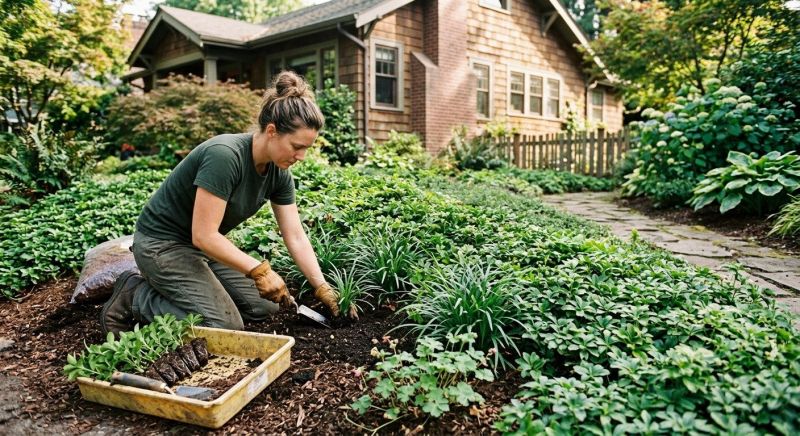
Ground Cover Planting Questions
What types of ground cover plants are suitable for residential properties? Common options include creeping thyme, sedum, and moss, which help prevent erosion and add visual interest to lawns and gardens.
Can ground cover planting help reduce maintenance needs? Yes, selecting low-growing, drought-tolerant ground covers can minimize mowing, watering, and weeding efforts.
Is ground cover planting appropriate for shady areas? Many ground covers, such as moss and certain ferns, thrive in shaded spots where grass may struggle to grow.
What should property owners consider before planting ground cover? It's important to evaluate soil type, sunlight exposure, and the desired look to choose the most suitable ground cover for the space.
Request Ground Cover Planting in Honolulu, HI
Use the quote form on this page to share the basics of your project and request more information for the type of work you need.